
The 7 best Whatnot alternatives of 2026
.png)
The best Whatnot alternatives are eBay for a large audience reach, District for hosting live shows via an app, and Depop for selling fashion and accessories.
Compare 7 Whatnot alternatives based on selling fees, buyer reach, key features, and the types of products each platform supports.
Top 7 Whatnot alternatives: At a glance
Why look for Whatnot alternatives?
People look for Whatnot alternatives because of higher fees, category focus, and the demands of going live. Here’s a look at why many sellers opt for other platforms:
- Fees eat into seller margins: Whatnot charges sellers between 4% and 8% commission on every sale, plus a payment processing fee of 2.9% + $0.30. Sellers with lower-priced items and thin margins often struggle to make a solid profit.
- The category focus works against general sellers: Although clothing and electronics sellers are gaining some traction, Whatnot still suits collectibles sellers above all else. Sellers offering anything outside the core niche often find a smaller, less engaged buyer pool.
- Going live requires effort and consistency: Whatnot rewards sellers who stream frequently and build a following. New sellers face a steep ramp-up, often requiring 2–3 live shows per week before gaining meaningful visibility.
- Payouts aren't instant (in most cases): Unless you’ve qualified for Whatnot’s Early Payouts by showing a history of good customer service and fast delivery, Whatnot holds funds until a buyer confirms delivery. Funds arrive in your account 1–3 days after release.
Which Whatnot alternative should you choose? TL;DR
The best Whatnot alternative depends on what you sell and how you prefer to sell it. Use these recommendations to quickly narrow down the right platform.
Choose eBay if you ...
Sell collectibles, electronics, trading cards, or other items that benefit from auctions and global exposure.
Choose District if you ...
Want to run live, unique shopping events on your own branded platform instead of competing in a shared marketplace.
Choose Depop if you ...
Sell vintage clothing, streetwear, sneakers, or fashion accessories to a younger audience.
Choose Bonanza if you ...
Sell on eBay and want another sales channel with low fees and storefront customization.
Choose Mercari if you ...
Want to sell a wide variety of products through simple listings and predictable fees, and you can handle bartering.
Choose Goldin if you ...
Sell high-end collectibles, graded cards, or sports memorabilia worth hundreds or thousands of dollars.
Choose Facebook Marketplace if you ...
Need to sell furniture, gym equipment, appliances, or other bulky products that are expensive to ship.
Stick with Whatnot if you ...
Primarily sell collectibles and enjoy livestream selling. Whatnot remains one of the strongest options for sellers who can stream consistently, engage the audience that they’ve built over time, and create bidding competition through live auctions.
1. eBay: Best for auctions and collectibles
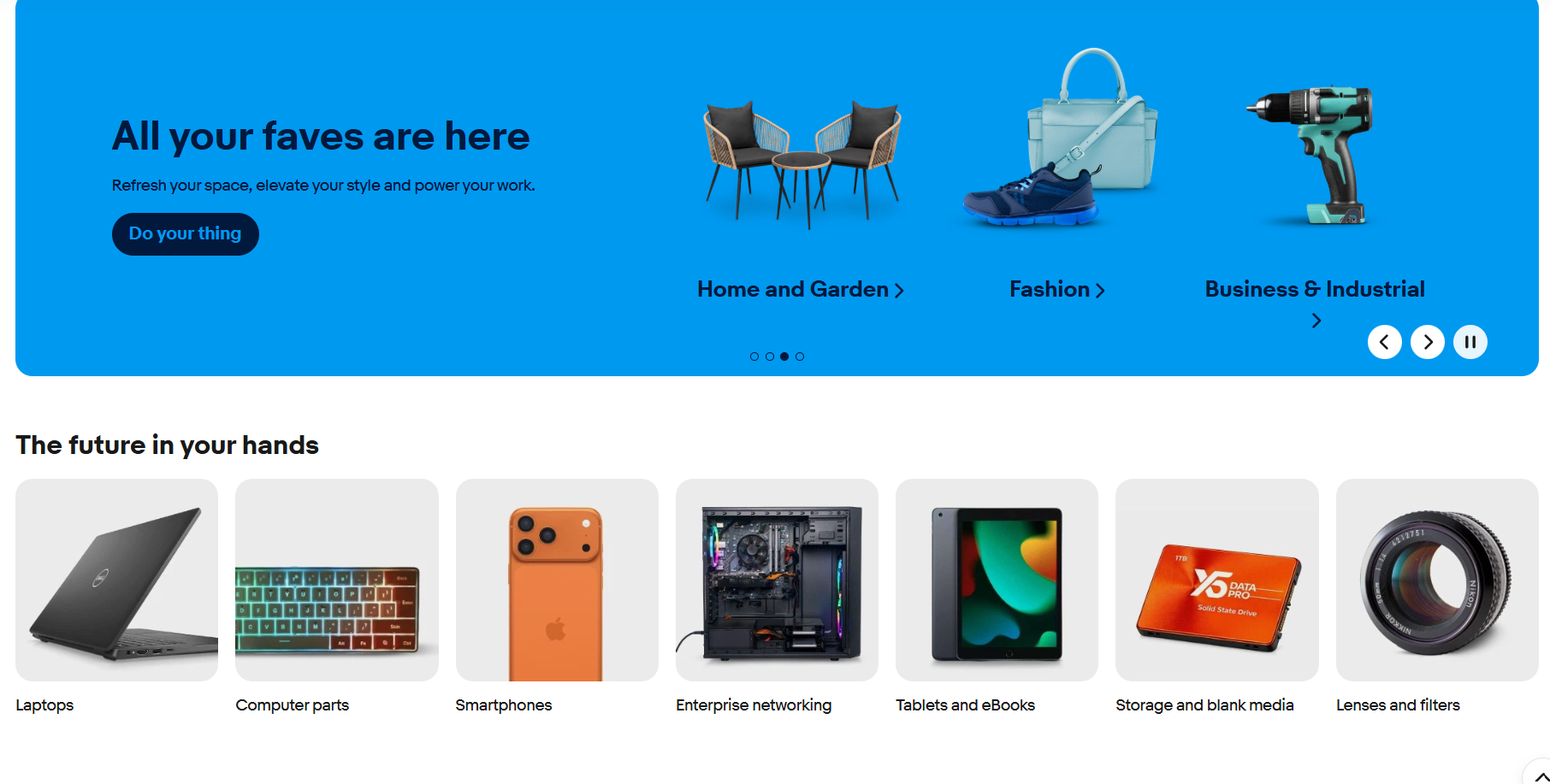
eBay gives sellers access to one of the largest marketplaces in the world, with around 135 million buyers across 190 countries. You can sell nearly anything legal on the platform, from real estate to clothing, and you can list items as buy-it-now or a silent auction.
“Today there are many other marketplaces, but I honestly think many of them could learn a lot from eBay: clear procedures, proper dispute handling and real buyer protection make a huge difference.” (Svetlana V., Trustpilot; May 29th, 2026)
Key features
- Seller analytics: Built‑in tools show sell‑through rates and pricing benchmarks so you can adjust your pricing strategy using real performance data.
- Global shipping options: eBay offers programs that help manage international customs and logistics for sellers tapping into cross-border markets.
- Promoted Listings: Sellers can improve listing visibility by paying an ad fee only when a promoted item actually sells.
Pros
✅ No streaming required: Sellers list items statically and generate sales without scheduling live shows or performing on camera.
✅ Flexible selling formats: Auction, Buy It Now, and Best Offer give you control over pricing strategy based on item type, demand, and urgency.
✅ Enormous buyer reach: Around 135 million active buyers means faster sell‑through on in‑demand collectibles without having to build a live audience from scratch.
Cons
❌ High fees: eBay charges an average 13.25–15% final value fee + a $0.30–$0.40 per‑order fee on orders over $10. See our article for specific eBay fee categories.
❌ Search visibility takes work: New sellers compete against established accounts with years of feedback and optimized listings.
Best for
- Sellers offering collectibles who prefer list‑and‑forget workflows over live shows.
- Folks offering high‑value single items where silent bidding can drive the final sale price above initial expectations.
- Part‑time flippers who list across multiple categories and want to avoid live streaming.
Fees
Fees vary per category, but eBay charges around 13.25–15% + $0.30–$0.40 on each sale. Rates drop, however, on every dollar over a sale of $7,500.
2. District: Best for live shopping events
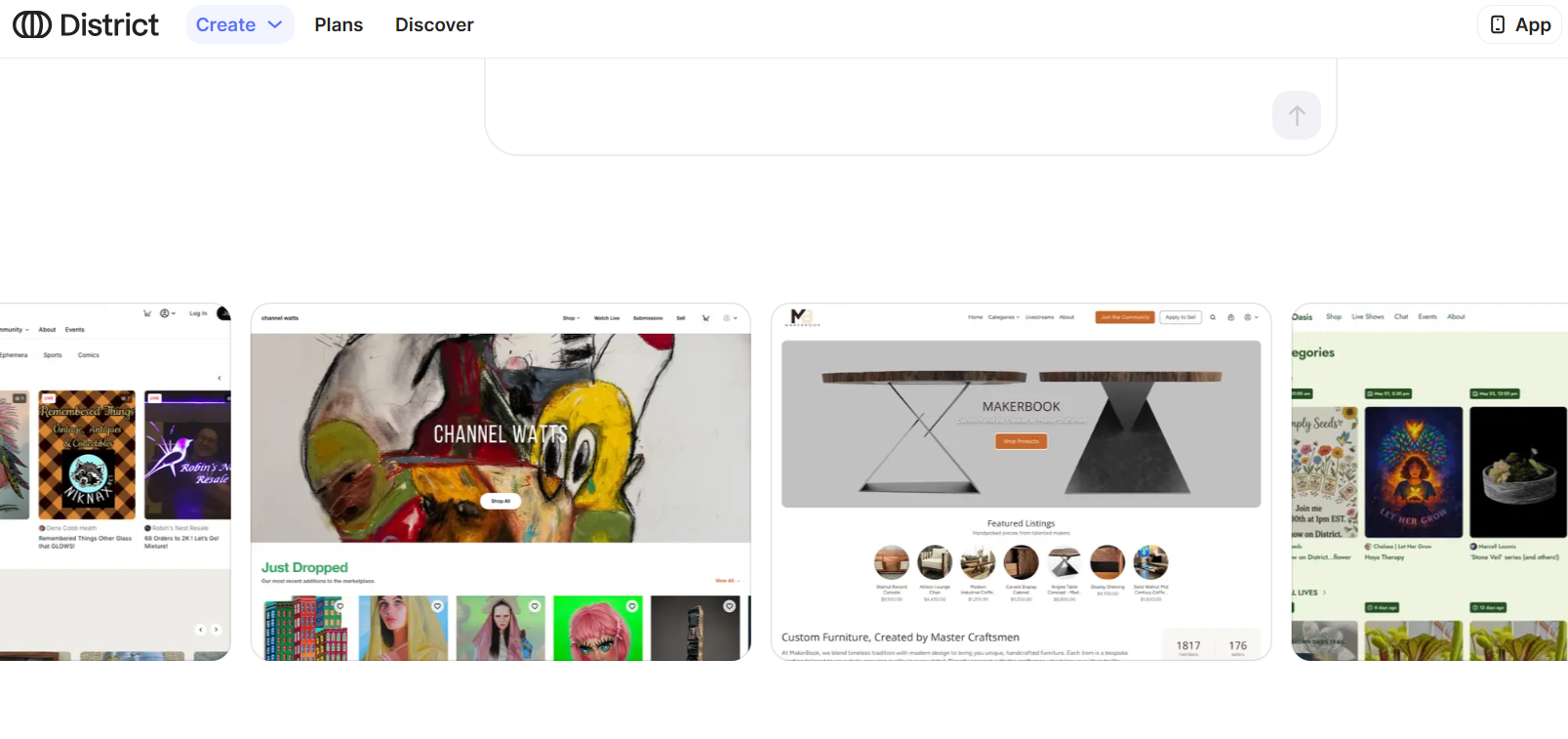
District suits e-commerce sellers and traditional brick-and-mortar business owners who want their own live third-party shopping platform instead of selling inside another marketplace.
“We have used it, and truly love some of the communities built over there. We may sell there more in the future and definitely support our friends who are killing it there. For us, it is hard to choose to sell there over whatnot when the whatnot platform just feels more complete, clean and smooth.” (JacksTreasures, Facebook; February 16th, 2026)
Key features
- AI platform builder: Launch a fully functional live shopping site or marketplace through a conversational AI builder, with no coding or custom development required.
- Multistream broadcasting: Broadcast live shows simultaneously to destinations like Instagram, Facebook, and YouTube, extending reach beyond your own site’s audience.
- Built-in community tools: Use hosted chat, group channels, and exclusive drops to build ongoing relationships with buyers instead of relying on one-off transactions.
Pros
✅ Platform ownership: Build under your own brand and domain, keep your customer list, and control how buyers experience your shows, sellers, and products.
✅ No audience competition: There’s no global marketplace feed pushing other sellers above you.
✅ Flexible selling formats: Run auctions, fixed-price drops, giveaways, and live shows from the same platform, reducing the need to juggle multiple tools or apps.
Cons
❌ Monthly subscription required: Unlike most Whatnot alternatives, District charges a monthly or annual subscription fee.
❌ You build your own audience: District doesn’t have a built-in marketplace feed or buyer pool; if you are starting from zero, you must drive all your own traffic.
Best for
- Live sellers who want to own their own platform instead of relying solely on third-party apps.
- New sellers building a niche audience through events, drops, and memberships.
- Retailers or e-commerce businesses looking to improve cash flow.
Fees
District’s plans start at $29/month.
3. Depop: Best for fashion and streetwear
Depop is a leading resale marketplace for fashion sellers targeting Gen Z and Millennial buyers who shop secondhand first.
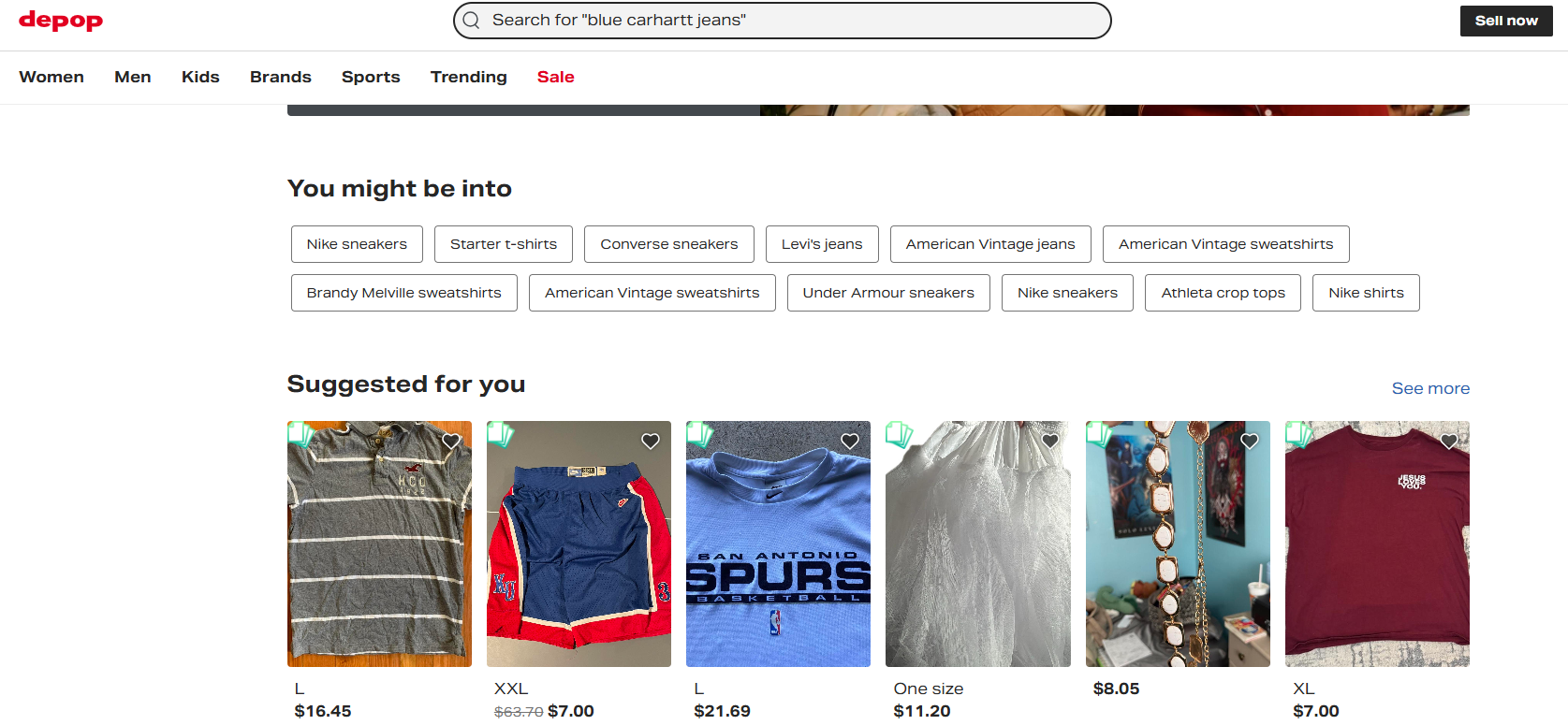
Depop is a resale marketplace for fashion, sneakers, and streetwear. It has over 56 million registered users located in 50+ countries and attracts Gen Z and young Millennial buyers.
“Personally I like that it’s like a thrift store and instead of hunting through racks at multiple thrift stores for hours I am able to search for exactly what I want and find things like that. I try to be more sustainable, reuse n stuff, and not buy new fast fashion.” (Depop user, Reddit; January 6th, 2026)
Key features
- Social-style discovery feed: Buyers browse a personalized feed of items curated to their search and purchase history, or they can filter to narrow down results.
- Boosted Listings: Sellers opt into paid promotion at around 12% (U.S.) only when a boosted item sells within the attribution window.
- Top Seller program: Depop’s Top Seller status gives verified sellers a badge, extra exposure in search and discovery, and access to special programs and opportunities, rewarding consistent performance and reliability.
Pros
✅ Very low U.S. selling costs: There’s no Depop selling fee for U.S. sellers in 2026, and payment processing costs are only 3.3% + $0.45 per transaction.
✅ Targeted fashion audience: Depop’s buyer base is actively engaged in style discovery rather than general shopping.
✅ Cultural relevance: Depop has traction among Gen Z and Millennials, who prefer the platform for purchasing vintage clothing or niche styles.
Cons
❌ Fashion-only audience: Buyers come to Depop specifically for clothing, shoes, and accessories, so sellers focused on collectibles or home goods will usually see weaker intent and slower sell-through.
❌ No live selling: Depop doesn’t offer livestream selling or real-time auction formats, so sellers whose model depends on live shows will need to look elsewhere.
Best for
- Vintage and secondhand clothing sellers targeting under-35 buyers.
- Streetwear resellers where brand, aesthetic, and niche drive price.
- Sellers who prefer photographing and listing entirely from their phone.
Fees
Depop doesn’t charge a commission fee, but it charges 3.3% + $0.45 per transaction for U.S. sellers. All other regions need to pay ~10%. For Boosted Listings, Depop charges another 12% on the sale price of the item.
4. Bonanza: Best for independent online sellers
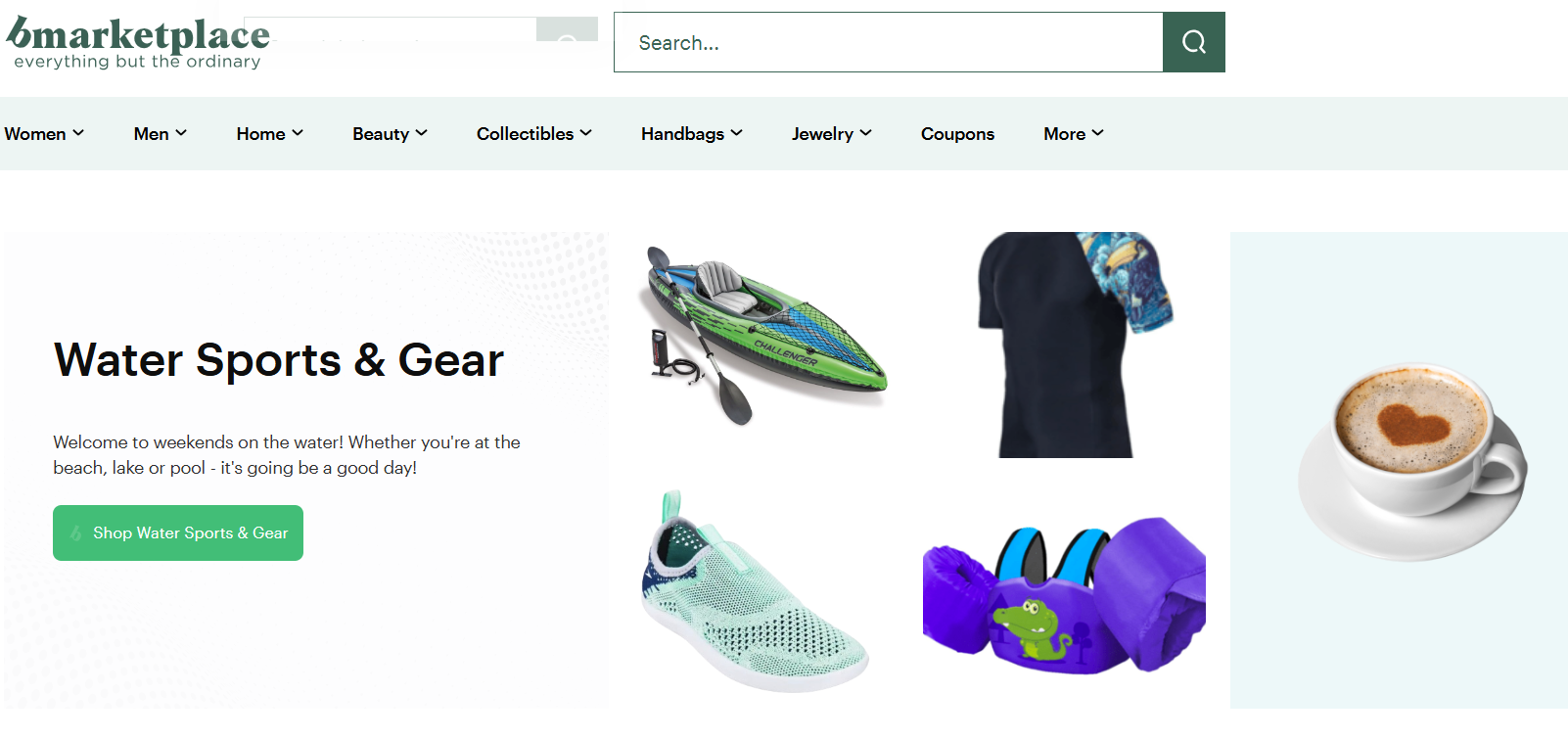
Bonanza suits independent sellers who offer fixed-price listings. The platform lets you sell your products to over 199 countries, and has about 50,000 sellers.
“I've been selling on Bonanza for about a year now and I've only gotten a few orders. To be fair though, the fees are incredibly low for it and it's one of the few platforms that has no wait time for money (since it uses direct customer to business selling via stripe and PayPal).” (Dan, Trustpilot; April 22nd, 2025)
Key features
- eBay listing import: Import tools pull existing listings from eBay, which lets you offer to a new buyer pool.
- Google Shopping integration: You can connect eligible listings to Google Shopping, sending external search traffic to Bonanza products without sellers running separate ad campaigns.
- Customizable booth: Sellers build a branded storefront with their own policies, categories, and design instead of being limited to a generic seller profile.
Pros
✅ Fast multichannel setup: If you’re already listing on eBay, you can usually get a Bonanza booth live quickly by importing your existing inventory and making adjustments.
✅ Fixed-price focus: Because Bonanza is built around fixed-price listings, you can set firm prices instead of relying on auctions or live-stream bidding dynamics.
✅ Google Shopping traffic: When listings are successfully pushed to Google Shopping, you gain an extra channel for discovery from buyers who might not visit Bonanza directly.
Cons
❌ Low buyer traffic: Bonanza has far fewer buyers than marketplaces like Whatnot or eBay, so items may sit for a longer time.
❌ No live selling: The platform doesn’t have a live-stream or real-time auction format, making it a weak fit for sellers whose business model revolves around live shows.
Best for
- Resellers crosslisting from eBay who are aiming to grow their buyer base on multiple marketplaces.
- Fixed-price sellers in fashion, home goods, or collectibles who prefer catalog-style selling.
- Independent sellers who prioritize storefront branding and control over sheer marketplace volume.
Fees
Bonanza charges an 11% final value fee + $0.25 transaction fee, and then a 1.5% flat fee for sales over $4,000. The minimum fee is $0.50. The marketplace also takes a one-time $14.99 setup fee.
But if you make a sale through your own referral link or via your referral website, Bonanza gives you 100% of your final value fee back. But not as cash, as a Bonanza Ads credit.
If you have over 50 active listings, Bonanza charges a listing fee of $0.03 per item/month, which is capped at $20/month. If you hit the $20 listing fee cap in a given month, Bonanza gives you a $5 Bonanza Ads credit.
5. Mercari: Best for selling a wide variety of items quickly
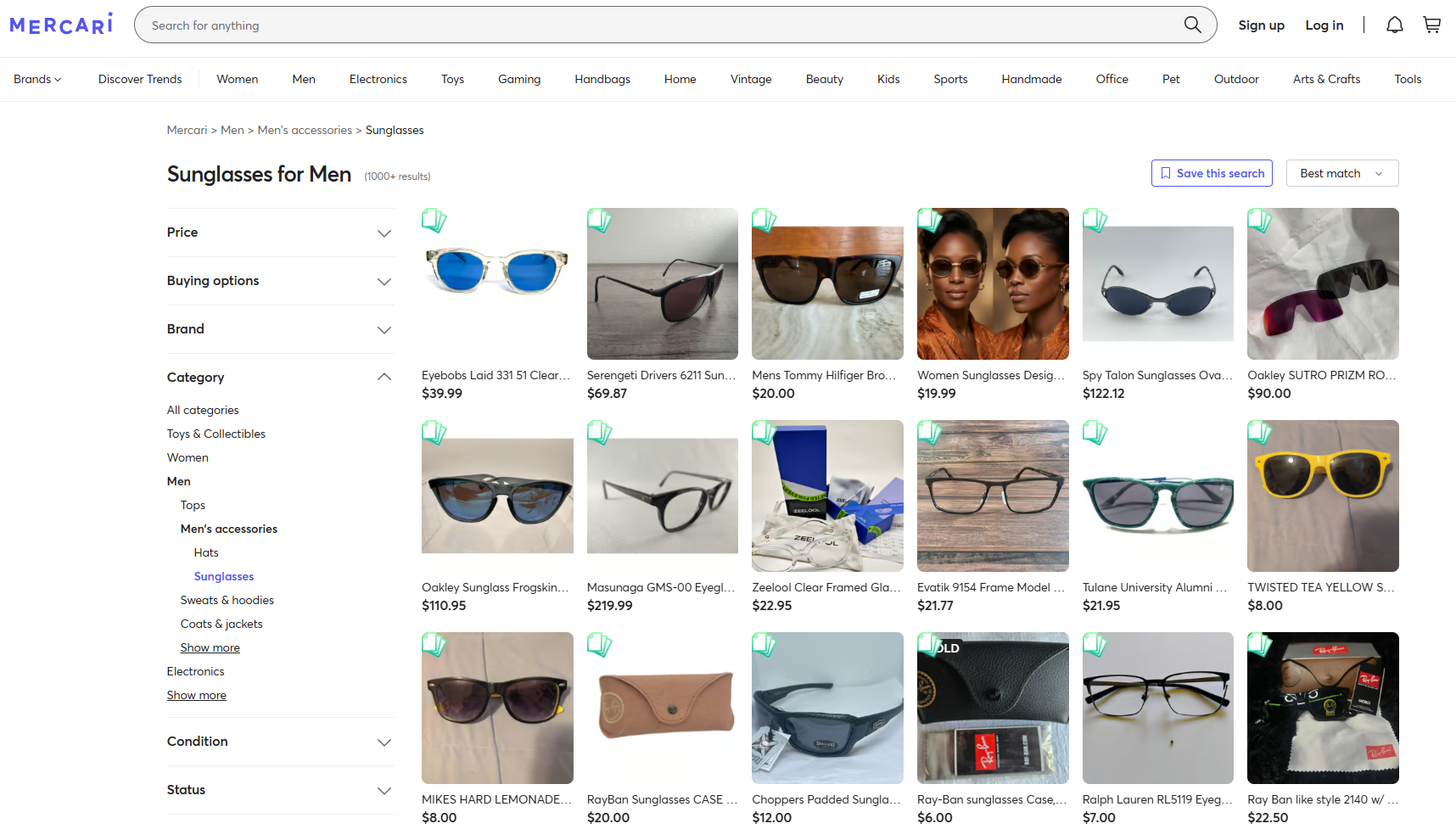
Mercari is a popular option for sellers who want to move inventory like clothes, home goods, and electronics fast. The platform has over 20 million users.
“Mercari has been my primary selling platform since launching into larger scaled reselling in ~2022. Up till then I was mainly eBay and always did it in certain time periods.” (Alex, Facebook; December 28th, 2025)
Key features
- Smart Pricing tool: Use Smart Pricing, which automatically lowers the price over time based on demand and refreshes the listing in search, helping stale inventory move.
- Discounted shipping labels: Mercari offers prepaid labels with platform-negotiated discounts versus standard carrier rates.
- Offer and negotiation tools: Buyers can submit offers directly on listing pages, giving sellers a passive way to close deals without re-listing or running separate promotions.
Pros
✅ Flat-fee structure: Mercari charges a 10% selling fee on completed sales, with no extra seller-side payment-processing surcharge.
✅ Cross-category reach: Buyers search Mercari for everything from vintage cameras and gaming consoles to power tools and kitchenware, giving sellers a broad base of options.
✅ No live selling required: Sellers can list and sell without a streaming schedule or on-camera performance.
Cons
❌ Smart Pricing can erode margins: If left on for rare or high-value items, automated price drops may undercut true market value.
❌ Buyers expect deals: Many buyers come to Mercari so they can get lower prices, so expect to barter.
Best for
- Regular folks clearing out mixed household inventory.
- Part-time flippers who list across many categories.
- Full-time sellers who want simple, predictable fees without deep category research.
Fees
Mercari charges a 10% flat fee with no payment processing. You can also pay a $3 fee for instant payouts for up to $600 in sales per month.
6. Goldin: Best for high-end collectibles
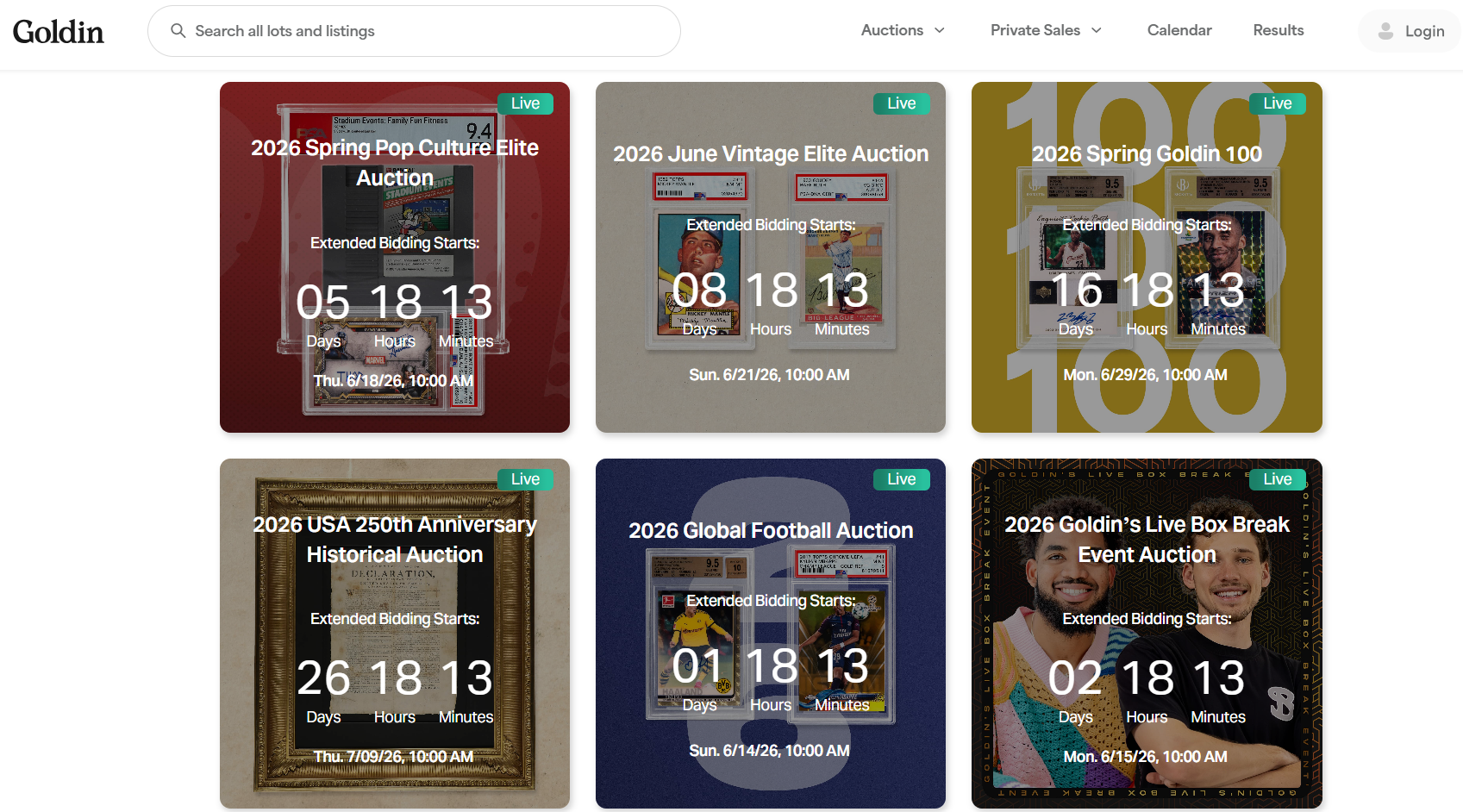
Goldin focuses on investment-grade collectibles. It runs both scheduled auctions and an always-on fixed-price marketplace, giving sellers access to a base of serious collectors and investors.
“I have been an eBay member for almost 30 years and Goldin auctions live was a exhilarating experience. It brought back the experience of sitting in a live auction house. Coleman was top notch at showing and describing everything. Can't wait for their next live Star Wars auction, I'll be watching and bidding.” (Tim C., Trustpilot; April 7th, 2026)
Key features
- Secure vault storage: The Goldin Vault (within the broader PSA vault ecosystem) stores items in a high-security facility with physical protections and insurance coverage.
- Multiple auction tiers: Goldin runs recurring weekly auctions that typically close on Thursday evenings. You send your items to Goldin on consignment, and they take care of the rest.
- Fixed-price marketplace: Beyond live auctions, Goldin’s fixed-price marketplace lets buyers make offers or purchase instantly.
Pros
✅ Bidder depth on premium items: Goldin attracts a concentrated audience of serious collectors and investors, which often translates into strong bidding and higher sales prices.
✅ Authentication infrastructure: The integrated PSA grading and vault pipeline means high-value items can be graded, stored, and sold within a single ecosystem.
✅ Proven high-end track record: Goldin regularly handles six- and seven-figure items across sports cards and memorabilia.
Cons
❌ Significant buyer’s premium: Most items carry a buyer’s premium of about 22% on top of the hammer price, and some may be higher or lower, which increases the all-in cost to buyers and can deter more price-sensitive bidding on mid-tier items.
❌ No live-selling or listing format: You don’t list your items like a traditional marketplace or how they do on a live show. Goldin takes your items on consignment, and it handles scheduled auctions and marketplace listings on your behalf.
Best for
- Sellers consigning graded cards or collectibles with expected values in the hundreds or thousands of dollars.
- Collectors liquidating high-value sports memorabilia, sealed wax, or premium pop culture items who don’t want to list and manage items themselves.
- Investors seeking price discovery via competitive auction bidding in a specialist collectibles venue.
Fees
Goldin charges a 22% buyer’s premium fee plus a payment processing fee of 3%. Items that sell for less than $50 or don’t receive a bid are charged a $5 seller fee.
7. Facebook Marketplace: Best for large items
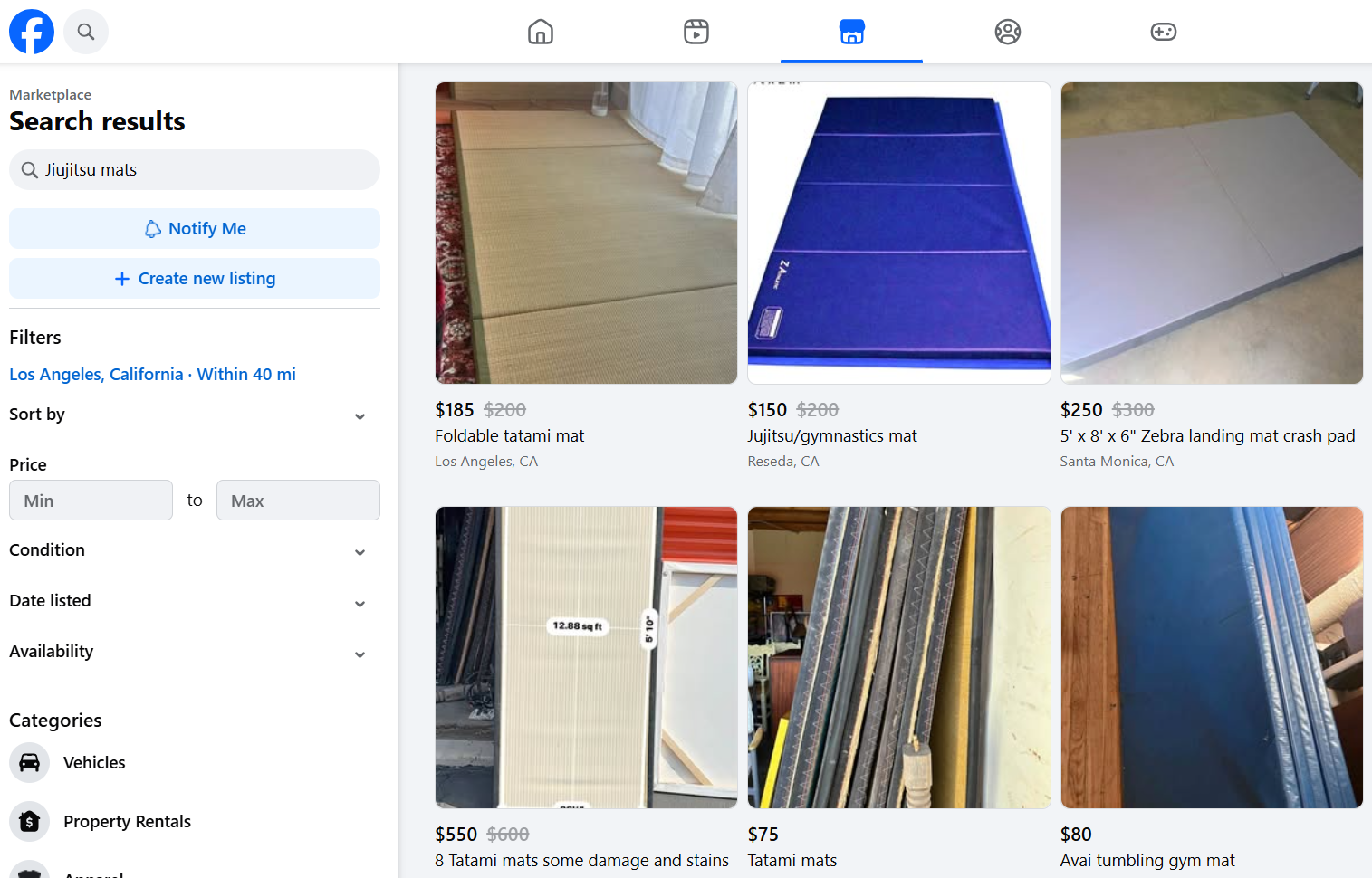
Facebook Marketplace is one of the easiest options for sellers who want to move bulky, hard‑to‑ship items locally at zero platform cost. Though you have access to over 2 billion potential buyers, it’s best for fee-free local sales.
“I sell everyday on FB Marketplace snd have a steady cash flow…I also list on Ebay and have over a 10000 positive score, I will take FBMP, no fees no returns, keep all the money. If they flake out and dont show, I just block them and resell it.” (Greg, Facebook; March 25th, 2026)
Key features
- Messenger-based negotiation: Built‑in Messenger chat lets buyers and sellers discuss price, ask questions, and coordinate pickup without leaving Facebook.
- Category breadth: Marketplace supports vehicles, housing, electronics, furniture, clothing, tools, and more in a single interface.
- Crosslisting to Groups: Sellers can share Marketplace listings directly into local buy‑sell‑trade and interest Groups, multiplying visibility beyond the main Marketplace feed at no additional cost.
Pros
✅ Truly free for local sales: Local pickup deals handled in person don’t incur Marketplace selling fees, payment-processing charges, or subscriptions.
✅ No storefront setup needed: You can list items directly from your existing Facebook account.
✅ Unmatched for large items: Furniture, gym equipment, and appliances that would be prohibitively expensive to ship are routinely bought and sold through local pickup.
Cons
❌ No buyer or seller protection on cash deals: Local transactions settled in cash or off‑platform payments aren’t covered by Marketplace protections.
❌ High scam exposure: Several sellers have experienced or been exposed to scams on Facebook Marketplace, including fake payment requests and deposit scams.
Best for
- Sellers moving furniture, appliances, or gym equipment locally.
- Declutterers who want zero-fee, cash‑in‑hand transactions with nearby buyers.
- Sellers in high-density areas where local buyer demand is strong.
Fees
Facebook Marketplace charges 10% (or a minimum fee of $0.80) for items sold through the platform. In-person sales are completely free.
How to evaluate each Whatnot alternative
Not every Whatnot alternative solves the same problem. Here’s how you can decide which Whatnot alternatives fit your selling style.
- Calculate profits: Add selling, payment, and listing fees. Then check how much money you keep from a normal sale.
- Buyer fit: Heavy traffic doesn’t help if the wrong buyers use the platform. A clothing seller may struggle on Goldin, and a collectibles seller may struggle on Depop. Choose a platform where people already shop for your type of products.
- Selling format: Each platform uses a different selling style. Live shows, fixed-price listings, and auctions all take different skills and time. If you don’t want to go live often, avoid platforms that reward live sellers the most.
- Audience ownership: Some platforms only give you space in a shared feed. Others let you build your own storefront, collect customer details, or bring buyers back again. If you want to build a real business, owning the customer relationship matters.
Sell on Whatnot and other platforms with Nifty
You don’t have to choose a Whatnot alternative to sell on another platform. If you use Nifty, a crosslisting and automation tool, you can sell the same items from Whatnot on up to 5 other marketplaces, all from one central command center.
Here’s why so many sellers trust Nifty:
- Customized AI listing: Snap a pic and let Nifty's AI build a complete listing with SEO-optimized titles, descriptions, and trending hashtags already filled in. You can customize how the AI writes to match your voice and style.
- Crosslist now: Post your items across Whatnot, Poshmark, eBay, Mercari, Depop, and Etsy in a couple of clicks. No copy-paste, no tab-switching, no manual reformatting for each platform.
- Automatic delisting? Handled: When a sale comes in on any platform, Nifty's sales detection auto-delists that item everywhere else. No double-selling disasters, no awkward "sorry, it's gone" messages to buyers.
- Bulk tools = no busywork: Share and relist daily in just a few clicks. Schedule drafts to go live while you sleep and set automatic discounts that run deeper over time to move stale inventory.
- Analytics and profits are real: Track sales, fees, top performers, and slow movers in one dashboard so you can see exactly which platforms are worth your time and which ones aren't pulling their weight.
Nifty pays for itself in just a few weeks. Start with a 7-day free trial and see how Nifty helps you sell smarter across 6 different marketplaces.
FAQs
1. What are the best Whatnot alternatives for sellers in 2026?
The best Whatnot alternatives in 2026 are eBay, Bonanza, District, Depop, Mercari, Goldin, and Facebook Marketplace. The right choice depends on your product category, preferred selling format, and fee tolerance. Picking the platform where your buyers already shop reduces slow sell-through risk.
2. Why do sellers look for Whatnot alternatives?
Sellers look for Whatnot alternatives because of high combined fees (up to 10.9% plus processing), a heavy focus on collectibles, and the time commitment of regular live streaming. Switching to a better-fit platform protects margins and eliminates wasted effort building an audience in the wrong place.
3. Which Whatnot alternative has the lowest fees?
The Whatnot alternative with the lowest fees depends on your category: Depop charges US sellers only 3.3% + $0.45 with no commission, Facebook Marketplace is completely free for local pickup sales, and District's flat subscription avoids per-sale cuts entirely. Matching the fee structure to your average sale price avoids quietly losing profit on every transaction.


.png)
.png)
.png)