
7 sites like Vinted that I use for selling
.png)
Many sellers want Vinted alternatives because they sell more than clothes. I've sold vintage shirts on Depop, craft supplies on Etsy, furniture through OfferUp, and collectibles on eBay for over 15 years. Here are 7 sites like Vinted for different seller types.
7 sites like Vinted for sellers: At a glance
1. Mercari: Best for closet cleanouts
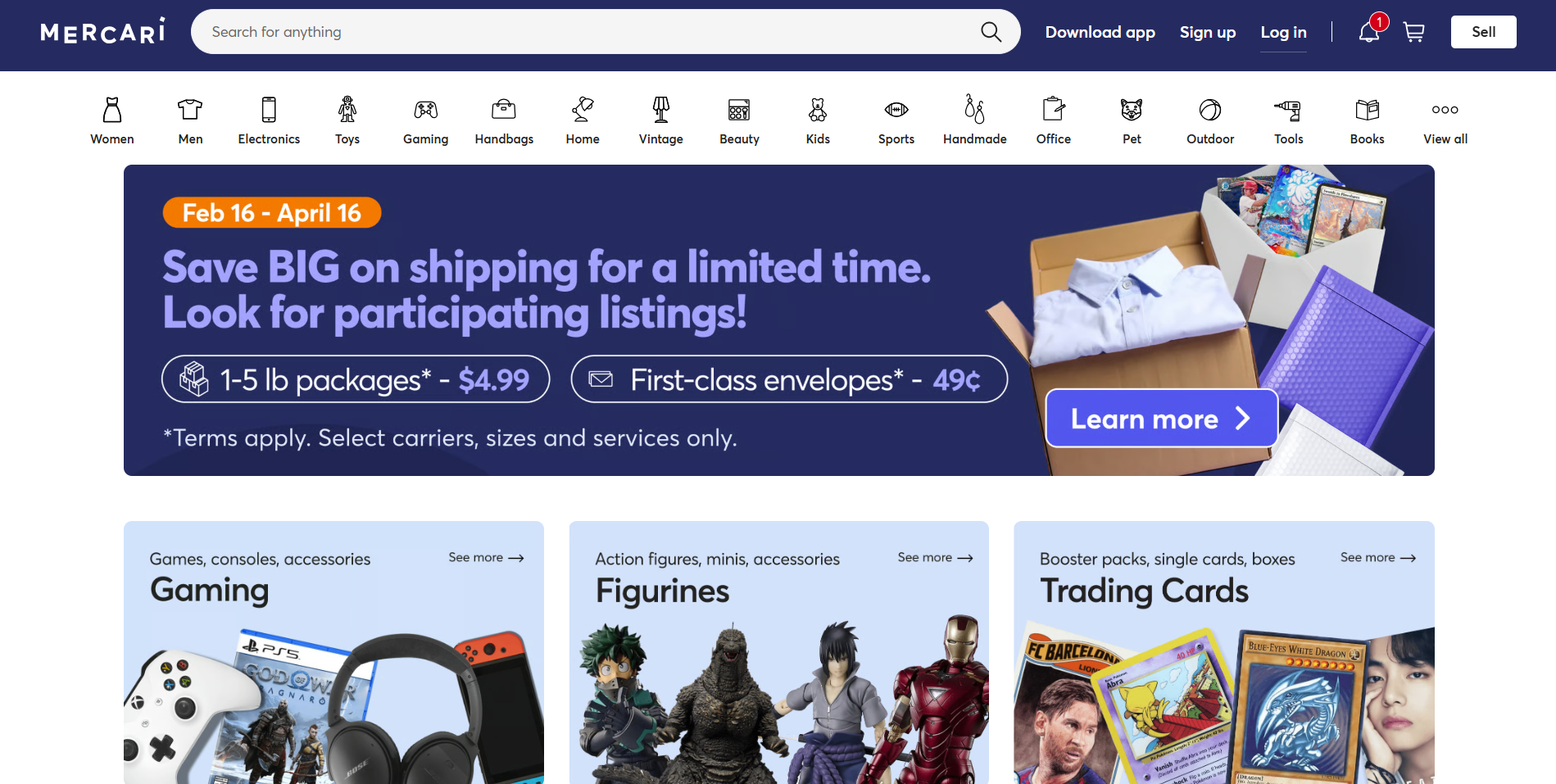
Mercari is a general resale marketplace for apparel, electronics, collectibles, and household goods, optimized for mobile sellers. I tested the platform by listing T-shirts and hoodies, which I could edit directly from Mercari’s mobile app.
Advantages over Vinted
- Built-in label options: Purchase discounted USPS, FedEx, or UPS labels directly through Mercari, with tracking numbers automatically attached to orders.
- Sell more with rapid product posting: Mobile-friendly listing tools and automated price suggestions help sellers photograph items, set prices, and publish listings quickly, which is useful for casual decluttering and small-batch selling.
- Large footprint in the USA: Unlike Vinted, Mercari has a large U.S. audience, with over 50 million app downloads.
Pros
- Transparent selling fee: Mercari typically charges sellers only a 10% fee on the item price plus buyer-paid shipping for completed sales.
- Camera-centric workflow: The app is designed around taking photos on a phone and listing items in just a few steps, allowing sellers to create and publish listings within minutes from a mobile device.
Cons
- Waterfall pricing: To send a new Offer to Likers, Mercari makes you price at least 10% below the listing’s historically lowest price, so repeatedly using this tool can quickly drive your price down.
Fees
Mercari charges sellers a 10% fee on each sale. This fee also includes shipping if the seller separately chooses to self-ship. The platform includes payment processing, and buyers pay a 3.6% buyer protection fee.
Always check Mercari’s latest fee page before listing. The platform might also charge these additional fees:
- $8 correction fee for underpaid shipping labels
- $3 Instant Pay fee
- $2 penalty for failed direct deposits
- 72-hour return window (where sellers typically lose the 10% fee)
The bottom line
Compared to Vinted, Mercari works better for resellers or folks cleaning out their homes who want a simple way to sell used items directly through a mobile app.
2. Depop: Best for younger vintage and streetwear enthusiasts
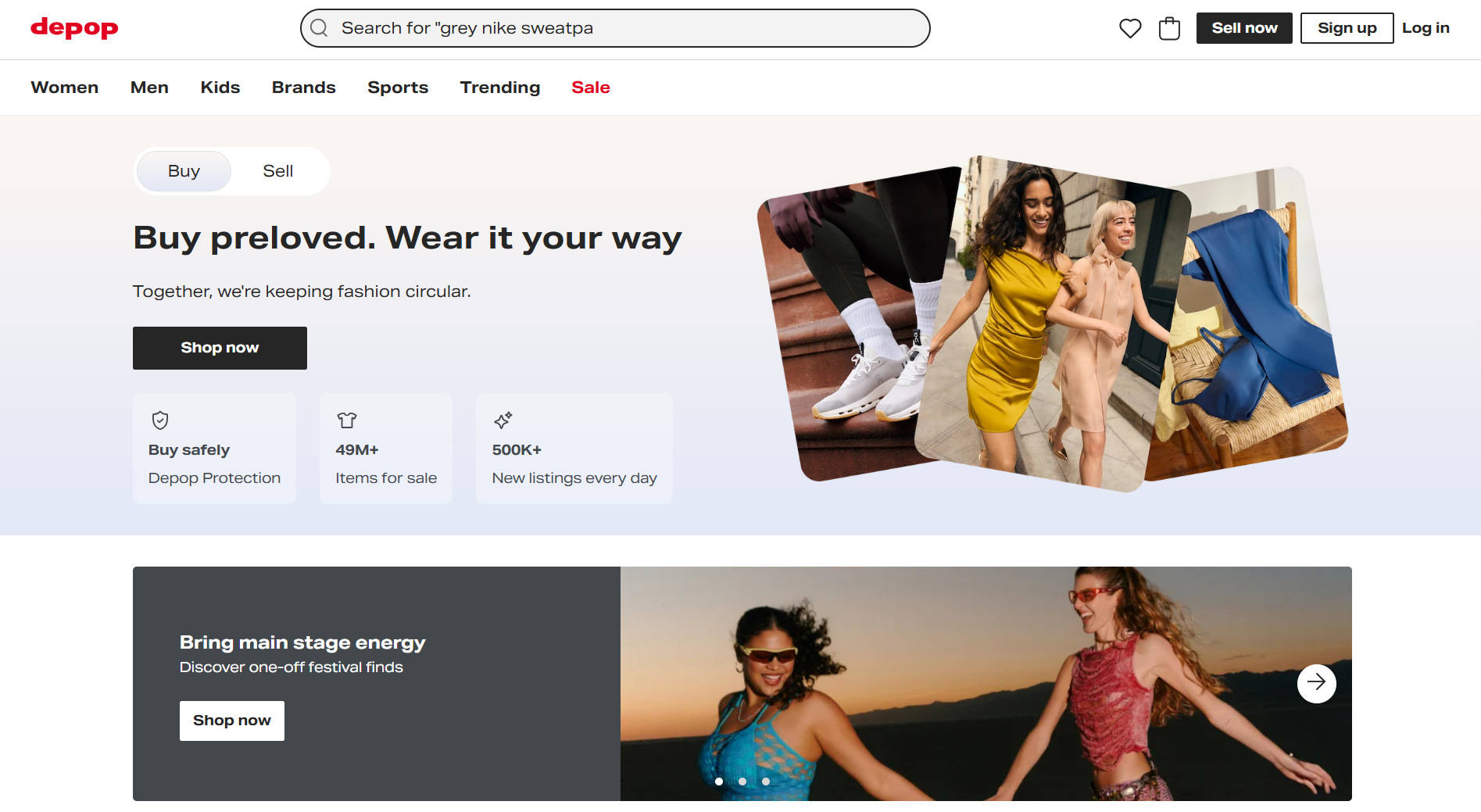
Depop blends online networking with secondhand commerce, thriving on retro pieces, urban fashion, and contemporary apparel. I tested Depop by selling vintage Nirvana shirts, which gained traction through the platform’s social features like following users and sending offers.
Advantages over Vinted
- Feed-based browsing: Depop’s discovery feels similar to scrolling Instagram, with an image-focused feed, likes, follows, and personalized suggestions based on user activity.
- Branded profile building: Sellers set up shop profiles with bios, photos, and a listing grid, and many use consistent styling and photography to create their own recognizable and branded aesthetic.
- Elite seller benefits: Top Sellers gain a verified badge and access to additional growth support and insights, which can translate into more visibility and trust for their shops.
Pros
- Youth-oriented shoppers: Depop is popular with Gen Z and younger millennials who care about sustainability, secondhand fashion, and individual self‑expression.
- Narrative-driven marketing: Sellers who invest in storytelling, styling, and strong photography can build loyal followings and get higher prices for curated pieces.
Cons
- Limited to fashion and accessories: The marketplace is heavily focused on clothing, shoes, and accessories, so it’s less suited to selling broader general merchandise than on Vinted.
Fees
U.S. sellers pay a processing fee of 3.3% + $0.45, and U.K. sellers pay a processing fee of 2.9% + £0.30. U.S. and U.K. sellers do not pay platform fees.
Most sellers outside the U.S. and U.K. pay a 10% selling fee on the total transaction amount, including any shipping charges (if applicable).
Fee structures and any fee‑free promotions for U.S./U.K. sellers can change, so it’s important to confirm current terms in Depop’s help center.
The bottom line
Depop suits fashion and accessory sellers, aiming at younger buyers who respond to creative presentation, vintage storytelling, and curated collections.
3. Poshmark: Best for fashion resellers
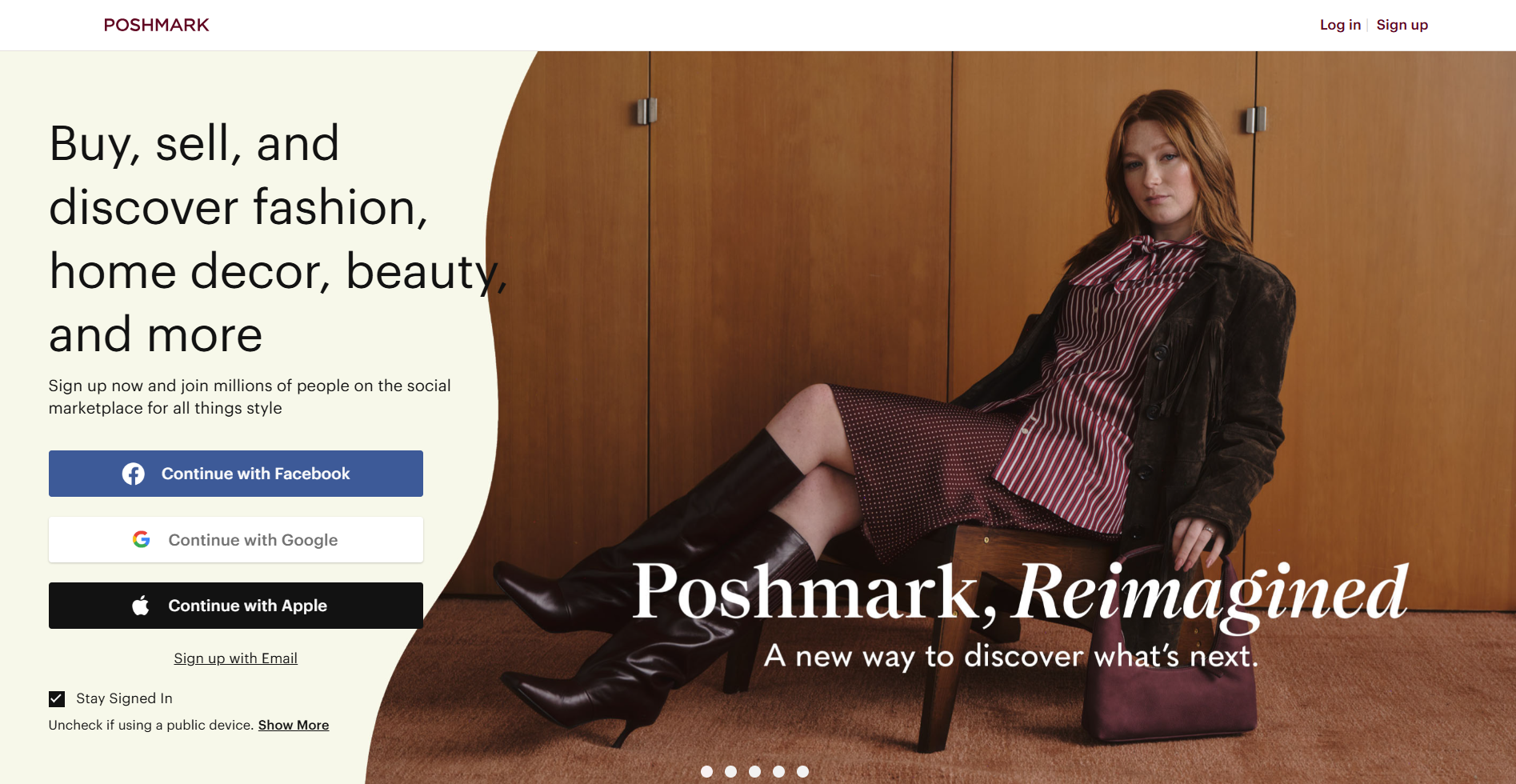
Poshmark suits sellers moving pre-owned fashion, shoes, accessories, and beauty products. I’ve been selling on Poshmark for several years now, and I enjoy the live shows feature, which helps me get to know my clientele by hosting my own shows.
Advantages over Vinted
- Buyer protection window: Buyers usually have 3 days after delivery to inspect their item and open a case if it is not as described. If they don’t raise any issues, Poshmark releases the payment.
- Integrated shipping labels: The platform supplies prepaid USPS Ground Advantage labels for most orders up to 5 lb at a flat buyer‑paid rate, simplifying postage and tracking.
- Interactive commerce ecosystem: Shoppers can follow closets, share listings, and join themed Posh Parties, which can increase exposure for items without paid ads.
Pros
- Fashion-focused buyer pool: Fashion and style enthusiasts flock to the platform, looking for clothing, shoes, and accessories.
- Organic promotion mechanisms: Sharing tools, engagement signals, and Posh Parties help push your listings across the feed without paid promotion.
Cons
- High seller fees: Compared to other platforms, Poshmark generally charges higher selling fees.
Fees
Poshmark charges a flat $2.95 fee on sales under $15 and a 20% commission on the sale price for orders of $15 or more in the U.S.
The bottom line
If you’re a fashion reseller looking for quick shipping, built-in protection, and a social-media-savvy community, Poshmark is an excellent Vinted alternative.
4. eBay: Best for high-volume and international sellers
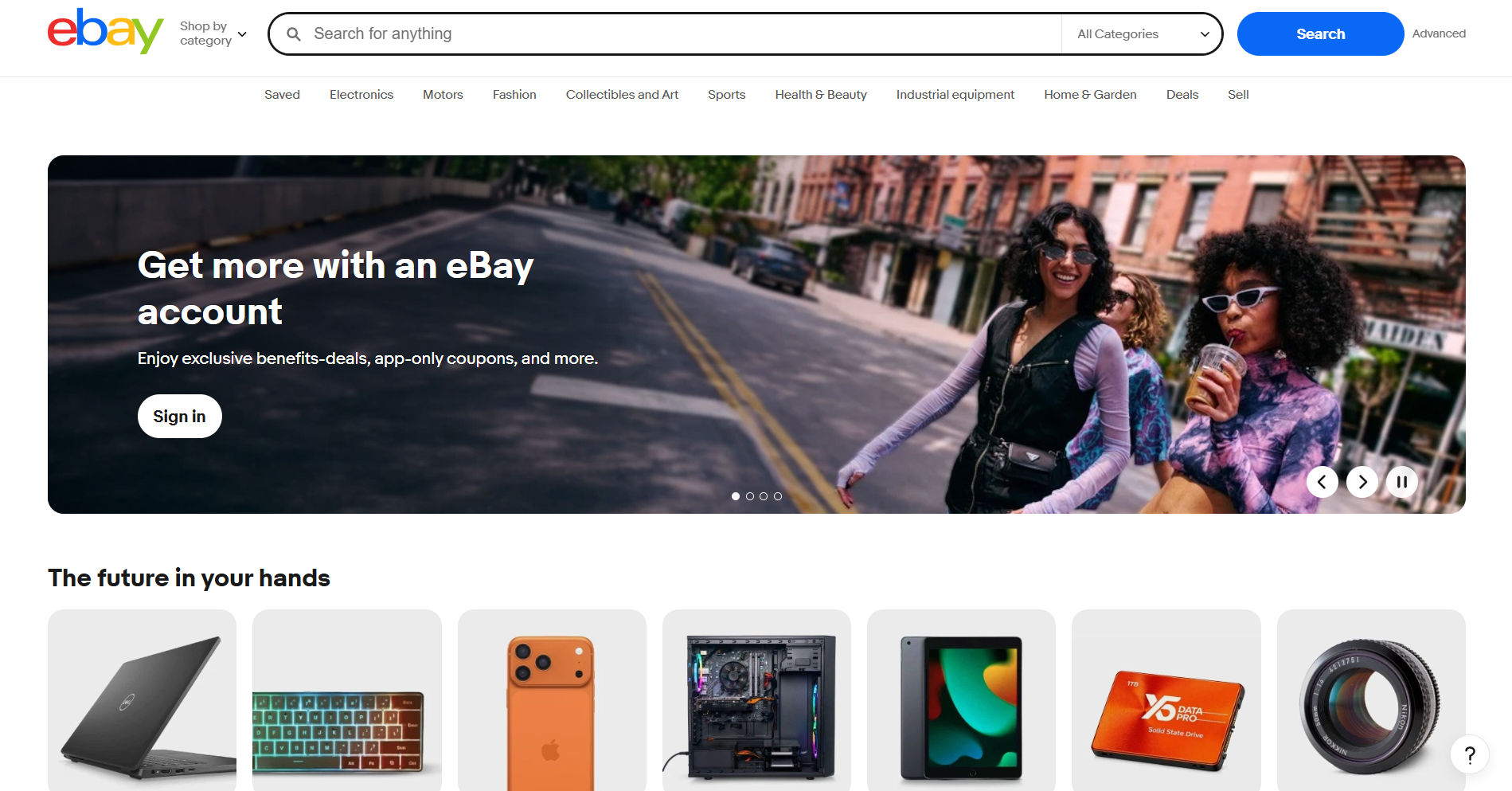
eBay connects sellers to a worldwide audience, allowing for the sale of nearly anything legal. I’ve sold sports cards and collectibles on eBay for over 15 years, and have found the extensive suite of seller analysis tools useful for pricing and marketing.
Advantages over Vinted
- Machine learning drafting assistance: eBay’s AI‑driven listing tools can generate suggested titles, descriptions, categories, and other details from photos and minimal input.
- Worldwide customer access: Cross‑border shipping programs, currency handling, and localized sites give sellers access to buyers in 190 markets.
- Massive shopper network: eBay serves around 135 million active buyers globally as of 2025, offering far broader exposure than Vinted.
Pros
- Competitive bidding mechanism: Timed auctions can create bidding pressure that sometimes drives final sale prices higher than the starting bid. But the platform also offers Best Offer and Buy It Now options.
- Dashboards for large operations: Seller Hub supports bulk edits, inventory and order tracking, advertising campaigns, and performance analytics that appeal to enterprise sellers.
Cons
- Layered cost calculations: eBay’s fee system is more complex than other resale platforms, combining category‑based final value percentages, a per‑order fixed fee, and optional costs for promoted listings and upgrades.
Fees
eBay charges a final value fee calculated as a percentage of the total sale amount (item price plus most shipping and tax) that often falls roughly between 10% and 15%, depending on category and Store tier.
The platform also charges a fixed per‑order fee (typically about $0.30 for orders of $10 or less and $0.40 for orders over $10 in the U.S.). Consult eBay’s current fee tables for a detailed fee breakdown before listing.
The bottom line
eBay offers the opportunity to sell nearly anything legal, access to a large international buyer base, and a sophisticated tool set compared with Vinted. These capabilities make it a better fit for folks serious about scaling their operations and reaching global buyers.
5. Etsy: Best for selling handmade goods
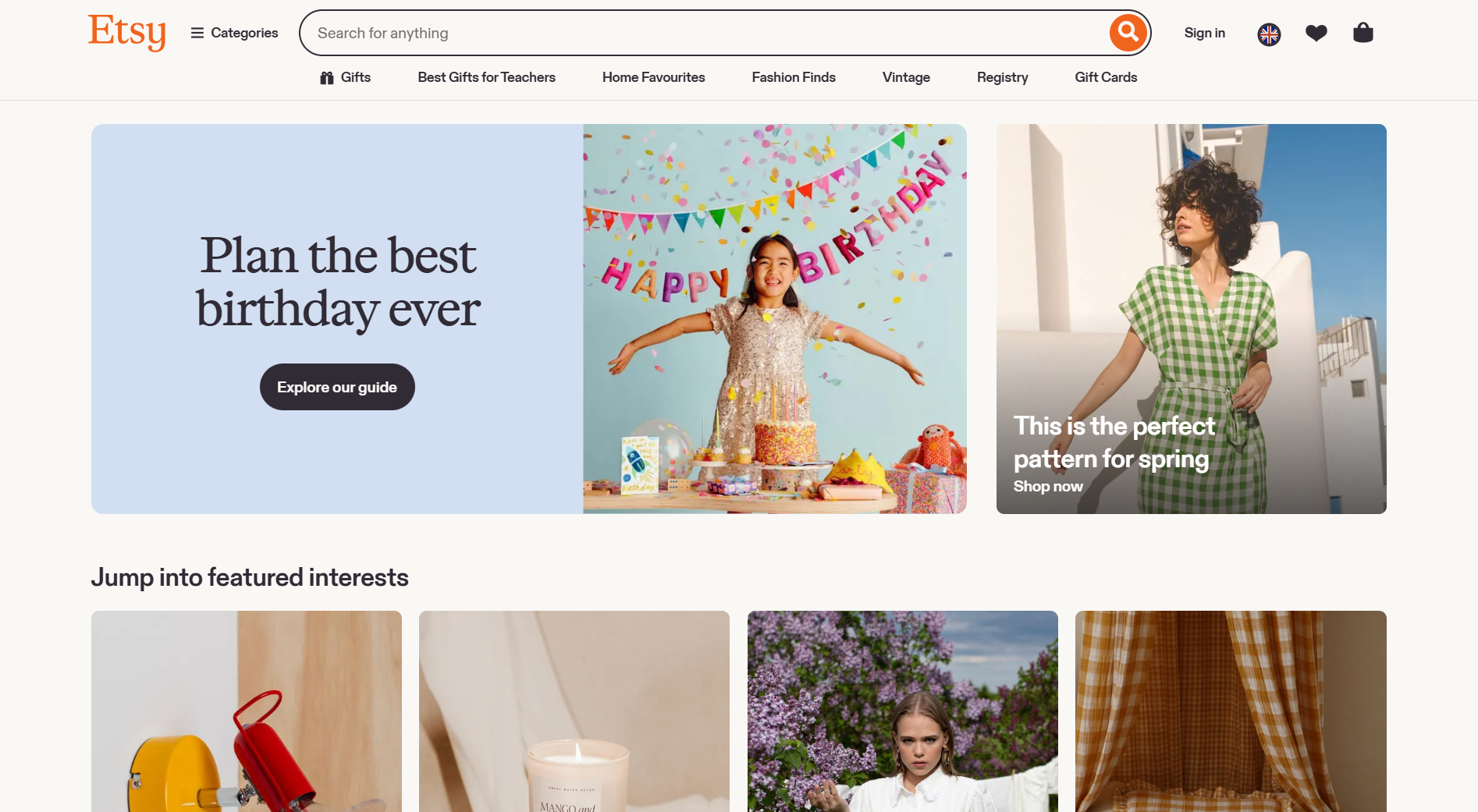
Etsy suits folks selling handmade goods, arts and crafts supplies, and vintage items. For over 10 years, I’ve sold potting clay on Etsy. The platform’s unique SEO features have enabled me to reach new buyers and grow my income.
Advantages over Vinted
- Artisan-oriented curation: Etsy’s main focus is to provide a platform for handmade items, vintage goods, or craft supplies, which attracts buyers who want distinctive pieces as well as artisans who need gear.
- Built-in infrastructure: Listing tools support variations and personalization so sellers can add options for engraving text, colors, sizes, and made‑to‑order production.
- Identity-building capabilities: Sellers can develop a recognizable brand with shop banners, logos, story sections, and a cohesive visual style across listings, going beyond what Vinted provides.
Pros
- Premium pricing acceptance: Many Etsy shoppers expect to pay more for craftsmanship, design, and vintage value.
- Buyer motivation: Etsy’s audience actively searches for handmade, designed, vintage, and craft items.
Cons
- High fees: When listing, transaction, and payment processing fees are added together, total costs can exceed 15% of gross sales, depending on price point and ad attribution.
Fees
Etsy charges a $0.20 per-listing fee every 4 months or when you renew the listing. The platform also charges a 6.5% transaction fee on total sales, including shipping. For U.S.-based sellers, Etsy takes a 3% + $0.25 payment processing fee.
The platform requires shops with $10,000 (USD) or more in trailing‑12‑month revenue to participate in Offsite Ads and pay a 12% fee on orders attributed to those ads. Shops below that threshold can optionally participate at a 15% rate. These advertising fees apply only to ad-attributed orders, not to purely organic Etsy traffic.
The bottom line
Etsy is a particularly strong Vinted alternative for artisans and vintage sellers who want a marketplace where buyers intentionally seek handmade, designed, and vintage items.
6. OfferUp: Best for local sales
OfferUp lets you sell in person to buyers in your area via its mobile app. I use the app whenever I need to sell old furniture. The app connects me with legit buyers quickly, allowing me to meet up and make sales in just a few days.
Advantages over Vinted
- Identity confirmation: OfferUp’s TruYou program lets users verify their identity using a phone number, photos of a government ID, and a selfie. Confirmed users earn a visible badge that can increase trust with local buyers.
- Local-first visibility: OfferUp’s feed emphasizes nearby listings by default, helping items stand out to shoppers in your area. It also provides optional nationwide shipping if you need a broad reach.
- In-person purchasing: Avoid packaging and shipping entirely for local deals by meeting buyers in person and completing the transaction with cash.
Pros
- Rapid neighborhood liquidation: Cash-based local deals can close within hours, with no postal delays or payout holds, as buyers inspect items on the spot before paying.
- Fast mobile workflow: The app is built for quick phone-based listing, letting sellers capture photos and add basic details on a single mobile flow.
Cons
- Unreliable meetups: Users frequently report no‑shows or last‑minute cancellations, so sellers often schedule backup buyers for the same item.
Fees
Local in-person exchanges completed with cash incur no platform selling fee. Shipped transactions typically incur a 12.9% service fee on the sale price, with a minimum fee of $1.99 per order, while the buyer pays shipping separately.
The bottom line
OfferUp excels at fast, cash-on-delivery neighborhood sales, where sellers prioritize speed and local reach over formal online protections.
7. Grailed: Best for high-end fashion
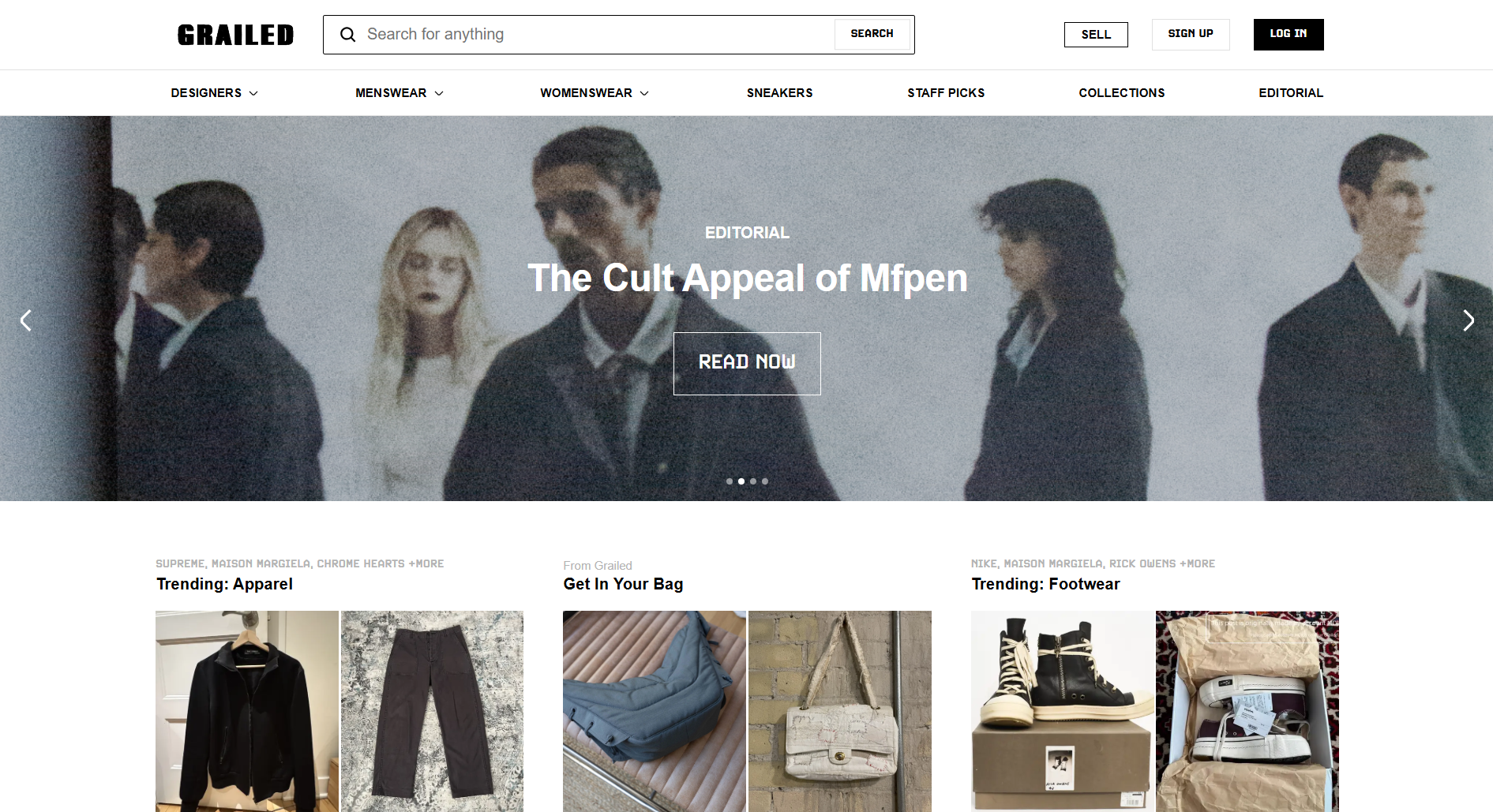
Grailed used to specialize in men’s fashion, but now offers a platform to sell women’s wear, too. I’ve used the platform to sell Berluti men’s shoes, and I’ve been successful by matching my SEO strategy to Grailed’s search filters.
Advantages over Vinted
- Precision discovery mechanisms: Buyers can filter by specific designers, categories, sizes, and condition levels, making it easier to locate particular labels or niche pieces.
- Verification for premium goods: Grailed uses a digital authentication system and extra review for high‑risk and high‑value items to reduce counterfeits and increase confidence.
- Network-building features: Profiles, saved sellers, and platform messaging help collectors follow favorite closets and build ongoing relationships around shared style interests.
Pros
- Luxury-focused buyer pool: The user base includes many designer and streetwear buyers who are willing to pay for quality, rare, or vintage items.
- Technical specification support: Listing tools and community expectations encourage detailed measurements and condition documentation, which appeals to buyers who care about fit and construction as much as aesthetics.
Cons
- High knowledge bar: Sellers unfamiliar with brand hierarchies, seasons, and authenticity indicators may struggle to stand out or answer buyer questions confidently.
Fees
Grailed charges all sellers a flat 9% fee. It also takes 3.49% + $0.49 on U.S. sales. International payments are around 4.99% + $0.49, with variations depending on country and setup.
The bottom line
Grailed’s dedicated fashion community, authentication tools, and granular search make it a strong choice for high-end designer and streetwear sellers.
How I tested each Vinted alternative
I’ve sold items like vintage Nirvana shirts, craft supplies, my own furniture, and many other goods on each site that’s like Vinted. Here’s why I picked these specific websites:
- They accelerate workflows: Fast posting is essential when managing inventory across multiple sites. I’ve learned to avoid platforms requiring excessive form fields or desktop-only features that scored lower.
- They're honest about what you'll actually pay: Hidden charges destroy profit margins, so I only choose sites with transparent listing and transaction fees, payment processing, shipping labels, and any subscription requirements.
- They connect you to a broad audience: Different platforms attract different shoppers, which directly impacts how fast items move and at what price.
My final verdict: Which site like Vinted should you choose?
You can use any of these top 7 Vinted alternatives to successfully make sales. But each one suits some sellers better than others. Here’s how to pick:
Choose Mercari if you …
Are decluttering your home or running a casual side hustle focused on everyday items like clothing, electronics, and household goods.
Choose Depop if you …
Sell vintage fashion, Y2K pieces, or trendy streetwear to Gen Z and younger millennials.
Choose Poshmark if you …
Are a fashion and accessories reseller who values prepaid shipping labels, built-in buyer protection, and access to a style-focused community.
Choose eBay if you …
Want to scale a high-volume operation, sell internationally, or deal in collectibles, electronics, or niche items.
Choose Etsy if you …
Create handmade goods, sell vintage items over 20 years old, or offer craft supplies to DIY enthusiasts.
Choose OfferUp if you …
Sell bulky furniture, appliances, or other local pickup items where shipping costs would eat into your profits.
Choose Grailed if you …
Are moving high-end designer fashion, streetwear, or vintage pieces to knowledgeable collectors willing to pay premium prices.
Sell more listings on multiple marketplaces with Nifty
You're now familiar with 7 sites like Vinted. Instead of listing on just one, why not list on several to increase your buyer base and chances of making a sale? Don’t manually sell on multiple platforms. Choose Nifty, a crosslisting, automation, and profit tracking tool that does the manual work for you.
Here's why Nifty's so helpful:
- AI listing: Snap a pic and let Nifty's AI build a boss-level listing, with SEO-optimized titles and descriptions, and trending hashtags already filled out for you. Plus, it's cloud-based, mobile-friendly, and easy to use.
- Crosslist now: With a couple of clicks, post your items across Poshmark, eBay, Mercari, Depop, and Etsy. No copy-paste and no multi-tab chaos. (More marketplaces coming soon!)
- Automatic delisting? Handled: When you make a sale, Nifty's sales detection auto-delists that item from every marketplace. Say goodbye to double-selling disasters and "sorry, it's already gone" apology messages.
- Bulk tools = no busywork: Share and relist daily with just a few clicks. Update or discount dozens of items at once. You can even schedule drafts to go live while you sleep.
- Analytics and profits are real: Track sales, fees, top performers, and slow movers in one clean dashboard, so you can actually see what's working and what's just dead space.
Nifty pays for itself in less than a month. So, start your 7-day free trial today and see how Nifty can make your life easier.
FAQs
1. What is the best site like Vinted for selling clothes?
The best site like Vinted for selling clothes depends on your target buyers. Mercari works well for casual clothing flips, thanks to its simple mobile interface and a flat 10% selling fee on most transactions. Poshmark excels for selling branded fashion with its social features and prepaid labels. Depop attracts Gen Z buyers seeking vintage and Y2K styles.
2. Are there Vinted alternatives with lower seller fees?
Yes, several Vinted alternatives offer lower seller fees. OfferUp charges zero fees for local cash transactions. Depop charges only 3.3% + $0.45 payment processing for U.S. sellers with no platform fee. Mercari's flat 10% fee often beats Poshmark's 20% commission on items over $15.
3. Can you sell the same items on multiple sites like Vinted?
Yes, you can sell the same items on multiple sites like Vinted simultaneously through crosslisting. Tools like Nifty automate this process by posting listings across Poshmark, eBay, Mercari, Depop, and Etsy. These tools can also auto-delist items when they sell to prevent double-selling disasters.


.png)
.png)
.png)